The Toy Poodle is small in size but grand in character. This intelligent, cheerful, and elegant dog breed has been a favorite among dog lovers for years. Thanks to its compact size, hypoallergenic coat, and eager-to-learn nature, the Toy Poodle is an excellent family dog and a fine companion for singles or seniors.
Are you curious if a Toy Poodle suits your lifestyle? In this blog, we'll tell you everything about the character, care, exercise, and health of this special breed.
The origin of the Toy Poodle
Although many people think the Poodle comes from France, its origin is likely in Germany. The name "Poodle" is derived from the German word puddeln, meaning "to splash in water." Originally, Poodles were bred as water retrievers during hunting.
Later, the breed was further developed in France and grew into a beloved companion dog. Today, the Poodle comes in four sizes: Standard Poodle, Medium Poodle, Miniature Poodle, and the smallest variant: the Toy Poodle.
How big does a Toy Poodle get?
The Toy Poodle is the smallest Poodle variant.
Average characteristics:
- Height at withers: 24 to 28 cm
- Weight: 2.5 to 4.5 kg
- Lifespan: 14 to 18 years
Due to its small size, it is easy to take along, without compromising on energy or personality.
Character of the Toy Poodle
The Toy Poodle is known as one of the smartest dog breeds in the world. It quickly learns new commands and loves to be active with its owner.
Typical characteristics include:
- Very intelligent
- Loving and affectionate
- Playful and energetic
- Social with people and other dogs
- Sensitive to its owner's mood
- Watchful without being excessively noisy
Due to its social nature, a Toy Poodle does not like to be alone for long periods. It builds a strong bond with its family and prefers to be involved in everything.
Is a Toy Poodle suitable for children?
Yes, provided children treat dogs respectfully. Due to its small build, caution remains important. For families with young children, supervision during play is always advisable.
With older children, the Toy Poodle often forms a great combination thanks to its playful character.
Does a Toy Poodle need a lot of exercise?
Despite its size, the Toy Poodle is surprisingly active.
Daily, it needs:
- Multiple walks
- Playtime
- Brain games
- Training or dog sports
A Toy Poodle gets not only physically tired but especially mentally. Intelligence games, scent work, or learning new tricks make it happy.
Care of the Toy Poodle
The beautiful curly coat is one of the characteristics of the Toy Poodle. This coat sheds hardly at all, making the breed often suitable for people with a mild dog allergy. However, completely allergy-free does not exist.
The coat does require intensive maintenance and is not an easy coat to maintain.
Brushing
Brush the coat at least three times a week to prevent tangles, but it's best to brush daily.
Trimming
Professional grooming is usually needed every six to eight weeks.
Ear care
Due to the hairy ear canal, dirt and moisture can accumulate more easily. Therefore, check the ears regularly.
Teeth
Small dog breeds are more susceptible to dental problems. Daily teeth brushing helps prevent tartar.
Health of the Toy Poodle
The Toy Poodle is generally a healthy breed, especially when it comes from a responsible breeder.
Conditions that sometimes occur are:
- Patellar luxation (loose kneecap)
- Eye conditions
- Progressive retinal atrophy (PRA)
- Dental problems
A healthy diet, sufficient exercise, and annual veterinary check-ups contribute to a long and vital life.
What nutrition suits a Toy Poodle?
Due to its fast metabolism, a Toy Poodle needs quality nutrition that is suitable for small dog breeds.
Pay attention to:
- High meat content
- If you choose kibble: small kibble
- Good balance between proteins and fats
- Omega 3 and 6 fatty acids for skin and coat
Divide the daily amount of food into several small meals to keep energy levels stable.
Chewies Choice: Butternut Box*
suitable for all ages, including puppies.
Receive 50% discount on your first two orders with the code: CHEWIESCHOICE
What accessories are suitable for a Toy Poodle?
Due to its light body weight, comfort is extra important during walks.
Preferably choose:
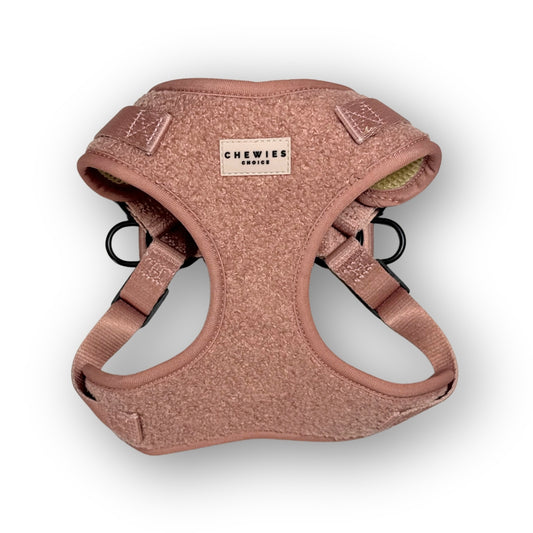
- A well-fitting Y-harness
- A lightweight dog leash
- A soft collar
- A comfortable dog bed
- Small dog toys that match its size
Regularly check if harnesses and collars still fit well, especially for young dogs that are still growing.
Is a Toy Poodle easy to train?
Absolutely, provided you train regularly. Thanks to its intelligence, the Toy Poodle quickly learns new exercises. Positive training always works best. Reward desired behavior with treats, play, or enthusiasm.
Harsh corrections are not necessary and can even be counterproductive. A Toy Poodle is sensitive and learns fastest when training remains fun.
Try to ignore bad behavior and reward good behavior.
Does a Toy Poodle suit you?
A Toy Poodle suits people who enjoy spending time with their dog and like to walk a lot. It loves attention, challenges, and companionship.
This breed is suitable for:
- Families
- Singles
- Seniors who still enjoy getting out and about
- Apartments and homes with a garden
As long as it gets enough exercise, mental stimulation, and love, it feels at home almost anywhere.
Conclusion
The Toy Poodle proves that a small dog is anything but boring. It combines intelligence, elegance, and a cheerful character in a compact size. With proper care, sufficient exercise, and a loving family, you will enjoy a loyal, smart, and sociable housemate for years.
Are you looking for comfortable walking accessories for your Toy Poodle? Always choose products that are lightweight, perfectly match its physique, and offer optimal comfort during every walk.
*Affiliate partner