A common question from new dog owners is: when is a puppy potty-trained? The answer: most puppies are fully potty-trained around 4 to 6 months. However, this can vary from dog to dog. Some puppies learn very quickly, while others need more time and patience. It's important to understand that accidents are part of life, and that positive training is key.
How does toilet training work for puppies?
Puppies aren't born with bladder and bowel control. They develop this gradually.
-
8-12 weeks: Puppies can only hold their needs for short periods of time (1-2 hours).
-
3-4 months: Control improves, but regular walks are still necessary.
-
6 months and older: Most dogs can hold their urine well and are largely house-trained.
Tips to house-train your puppy faster
-
Regularity is key, always take your puppy outside after sleeping, playing, and eating.
-
Use a fixed location outside, dogs learn faster if they recognize their scent in the same place.
-
Rewarding works best; a treat helps to immediately reinforce desired behavior.
-
Be patient; accidents are part of life. Never punish your puppy, as this can cause fearful behavior.
-
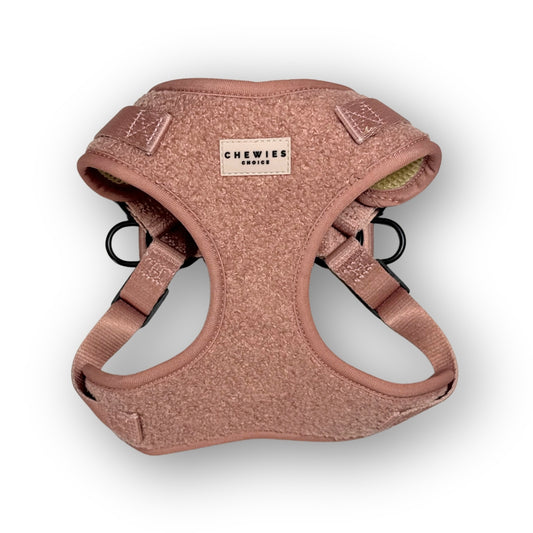
Use the correct walking gear, with a well-fitting harness and a fixed leash you can safely and comfortably guide your puppy outside.
Toilet training aids
At Chewies Choice you will find useful products that make potty training easier:
-
Silicone treat bag: always have snacks at hand for instant reward.
-
Small size harnesses: specially designed for puppies and small breeds, so that even the littlest ones can go outside comfortably.
-
Fixed belts: no roll-out lines, as they give too much freedom and cause unrest.
Frequently Asked Questions about Potty Training Puppies
1. When is a puppy completely house-trained?
Usually around 4 to 6 months, but this varies from dog to dog. Small breeds often need more time because their bladders are smaller.
2. How often should I walk my puppy?
On average every 2 hours, plus always immediately after sleeping, playing and eating.
3. What do I do if my puppy pees inside?
Ignore the accident and clean the area thoroughly (without ammonia, as that smell is similar to urine). However, reward immediately when your puppy pees and poops outside.
4. How do I know when my puppy needs to go outside?
Signals include sniffing, pacing, whining, or restless behavior. Immediately place your puppy outside in its designated spot.
5. Can I potty train a puppy at night?
Yes, but this requires more frequent walks. Young puppies, in particular, often need one more outing at night. As they get older, they can hold out longer.